Zinc ash powder is a powdered material derived from zinc processing operations such as hot-dip galvanizing, smelting, and general metal processing. It is an industrial by-product that retains value due to its content of zinc oxide and residual metallic zinc. These components allow it to be reprocessed for various manufacturing and industrial applications.
Understanding the Characteristics of Zinc Ash Powder
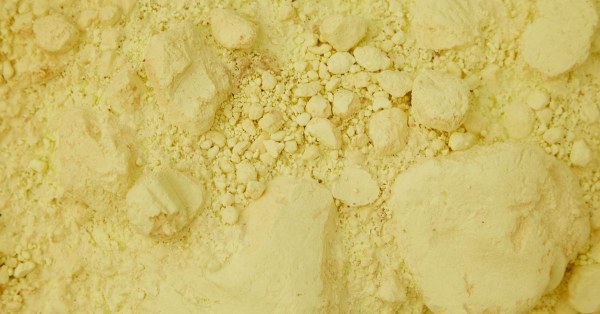
Zinc ash appears as a powder ranging in color from white to gray. Particle sizes vary depending on the combustion process, processing methods, and the specific zinc raw materials used. Its composition also varies, as different processes yield materials with distinct characteristics.
As a powdered zinc material, it possesses chemical properties that require careful attention during storage. While insoluble in water, the powder dissolves in acids, alkalis, and ammonia solutions. Exposure to moisture can cause the powder to clump and lead to the formation of basic carbonate compounds on its surface.
Applications in the Chemical Industry
Zinc ash powder serves as a raw material for producing zinc compounds such as zinc oxide and zinc sulfate. Zinc oxide is widely used in the manufacture of rubber, ceramics, glass, cosmetics, and various other industrial products. Meanwhile, zinc sulfate is utilized in fertilizer formulations and soil treatment.
These applications help reintroduce zinc into the production chain. Processing methods allow the material’s quality and composition to be tailored to specific industrial requirements; consequently, compositional testing is a crucial step before the material enters subsequent production stages.
Roles in Rubber, Paint, and Metallurgy
Zinc ash powder is also used in the rubber industry as an auxiliary agent in the vulcanization process. The zinc content helps impart desirable properties to the rubber, such as elasticity and resistance to heat and ultraviolet radiation. This makes the material an important component in the manufacture of various rubber-based products. In the paint and coatings industry, zinc compounds facilitate the formation of anti-corrosive layers that protect metal surfaces. Meanwhile, the metallurgical sector utilizes them as additives in metal refining or alloy production. These applications demonstrate that zinc processing by-products retain significant technical utility.
Storage and Recycling Potential
Zinc ash powder requires storage in a dry, well-ventilated area. Storage sites should be kept away from water, moisture, acids, alkalis, and flammable materials. Common packaging options include 50 kg drums, polyethylene-lined sacks, and 1,000 kg capacity “big bags,” depending on specific requirements.
Proper handling preserves material quality during storage and transport. Reuse supports recycling initiatives by recovering zinc content for subsequent industrial applications. Given its diverse characteristics and uses, zinc ash powder is a material with the potential to foster more efficient resource utilization.
About the Author